


Choosing the Right Fire Door Solutions for Your Needs
- declan stamp
- Sep 8, 2025
- 5 min read

When it comes to protecting buildings from fire hazards, selecting the right fire door is crucial. Fire doors are not just ordinary doors; they are designed to resist fire and smoke, providing vital time for evacuation and reducing property damage. Choosing the right effective fire door solutions can be a complex task, especially with the variety of options available. In this post, I will guide you through the key considerations, types, and practical advice to help you make an informed decision that ensures safety and compliance.
Understanding the Importance of Effective Fire Door Solutions
Fire doors play a critical role in fire safety strategies. They are installed to compartmentalise fire and smoke, slowing down their spread and protecting escape routes. This is essential in residential, commercial, and public buildings where the safety of occupants and property is paramount.
When selecting fire doors, it is important to consider:
Fire resistance rating: This indicates how long the door can withstand fire, typically ranging from 30 minutes to 120 minutes.
Material: Fire doors can be made from timber, steel, or composite materials, each with different benefits.
Certification and compliance: Doors must meet British Standards (BS 476 or BS EN 1634) and be installed according to regulations.
Intended location: Doors for stairwells, corridors, or external exits may have different requirements.
By focusing on these factors, you can ensure that the fire door you choose will perform effectively in an emergency.
Key Features to Look for in Effective Fire Door Solutions
When evaluating fire doors, several features stand out as essential for safety and functionality. Here are the main aspects to consider:
Fire Resistance and Certification
Always check the fire resistance rating. A door rated for 60 minutes will provide an hour of protection, which might be sufficient for many buildings. However, some areas may require 90 or 120-minute doors. Look for certification marks from recognised bodies to ensure authenticity.
Door Frame and Seals
The door frame must be robust and compatible with the door’s fire rating. Intumescent seals around the edges expand when exposed to heat, sealing gaps to prevent smoke and fire from passing through. These seals are vital and should be inspected regularly.
Hardware and Accessories
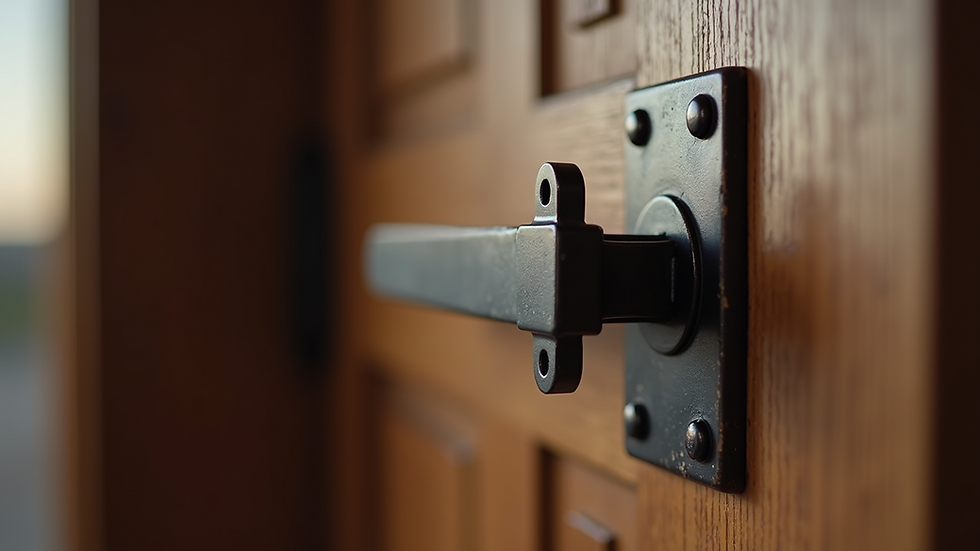
Fire doors require specific hardware such as self-closing devices, fire-resistant hinges, and secure locks. These components must also be certified and installed correctly to maintain the door’s integrity.
Appearance and Maintenance
While safety is the priority, the door’s appearance should also suit the building’s style. Fire doors come in various finishes and designs. Regular maintenance is necessary to keep the door and its components in good working order.
Installation and Inspection
Proper installation is as important as the door itself. Poor installation can compromise fire resistance. It is advisable to use professional installers who understand the regulations. Regular inspections and maintenance checks are also essential to ensure ongoing compliance.

What is the Alternative to a Fire Door?
While fire doors are the standard solution for fire safety, there are some alternatives or complementary options to consider depending on the building’s needs.
Fire Curtains
Fire curtains are flexible barriers that deploy automatically in the event of a fire. They can be used in large open spaces where traditional doors are impractical. Fire curtains help contain fire and smoke but are usually used alongside fire doors rather than replacing them.
Fire-Resistant Walls and Partitions
In some cases, fire-resistant walls or partitions can provide compartmentalisation without the need for doors. This is more common in industrial or warehouse settings where large open areas are divided.
Fire Shutters
Fire shutters are metal barriers that close off openings such as windows or large doorways. They offer protection similar to fire doors but are typically used in commercial or industrial environments.
Smoke Control Systems
Advanced smoke control systems can help manage smoke movement, reducing the reliance on physical barriers. However, these systems complement rather than replace fire doors.
While these alternatives have their place, fire doors remain the most practical and widely used solution for most buildings. They provide a reliable, tested method of fire protection that meets regulatory requirements.

Practical Tips for Choosing and Maintaining Fire Doors
Selecting the right fire door is just the first step. Proper maintenance and regular checks are equally important to ensure ongoing safety.
Assess Your Building’s Needs
Identify areas that require fire doors based on building layout and fire risk.
Consult fire safety regulations and standards relevant to your building type.
Consider the fire resistance rating needed for each door location.
Choose Certified Products
Always buy fire doors and hardware from reputable suppliers.
Verify certification and compliance with British Standards.
Avoid uncertified or low-quality products that may fail in an emergency.
Professional Installation
Use experienced installers who understand fire door requirements.
Ensure the door is fitted correctly with all necessary seals and hardware.
Keep installation records for compliance and insurance purposes.
Regular Inspection and Maintenance
Inspect fire doors at least every six months.
Check for damage, gaps, or missing seals.
Test self-closing devices and hardware functionality.
Repair or replace any faulty components immediately.
Training and Awareness
Educate building users about the importance of fire doors.
Ensure doors are not propped open or obstructed.
Promote a culture of fire safety awareness.
By following these practical steps, you can maximise the effectiveness of your fire door solutions and maintain a safe environment.
Why Choose Just Fire Doors SW for Your Fire Door Needs?
When it comes to fire door solutions, partnering with a trusted expert makes all the difference. Just Fire Doors SW specialises in supplying and installing high-quality fire doors across residential, commercial, and public buildings. Their commitment to safety, compliance, and customer satisfaction is unmatched.
Here’s why they stand out:
Expertise: Years of experience in fire door installation and maintenance.
Quality Products: Certified fire doors and hardware that meet all regulations.
Comprehensive Service: From consultation to installation and ongoing support.
Customer Focus: Tailored solutions to meet specific building requirements.
Compliance Assurance: Ensuring all work meets current fire safety standards.
Choosing Just Fire Doors SW means you can have peace of mind knowing your building is protected by effective, reliable fire door solutions.
For more information, visit their website: fire door solutions.
Selecting the right fire door is a vital step in safeguarding any building. By understanding the options, focusing on certification, and ensuring proper installation and maintenance, you can create a safer environment for everyone. Remember, fire doors are not just a legal requirement - they are a critical line of defence in an emergency. Take the time to choose wisely and maintain your fire doors well. Your efforts will pay off in safety and peace of mind.


Comments